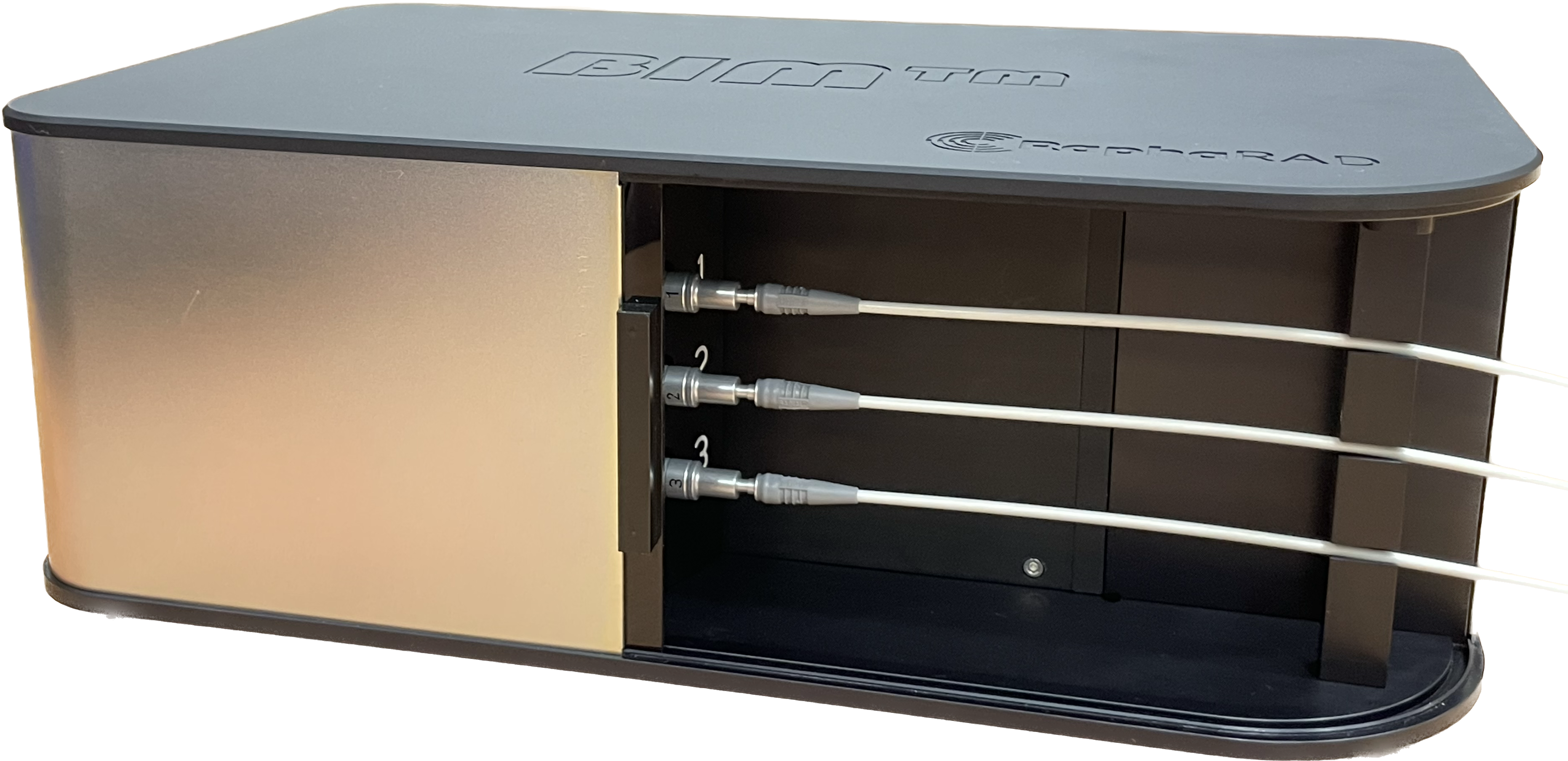
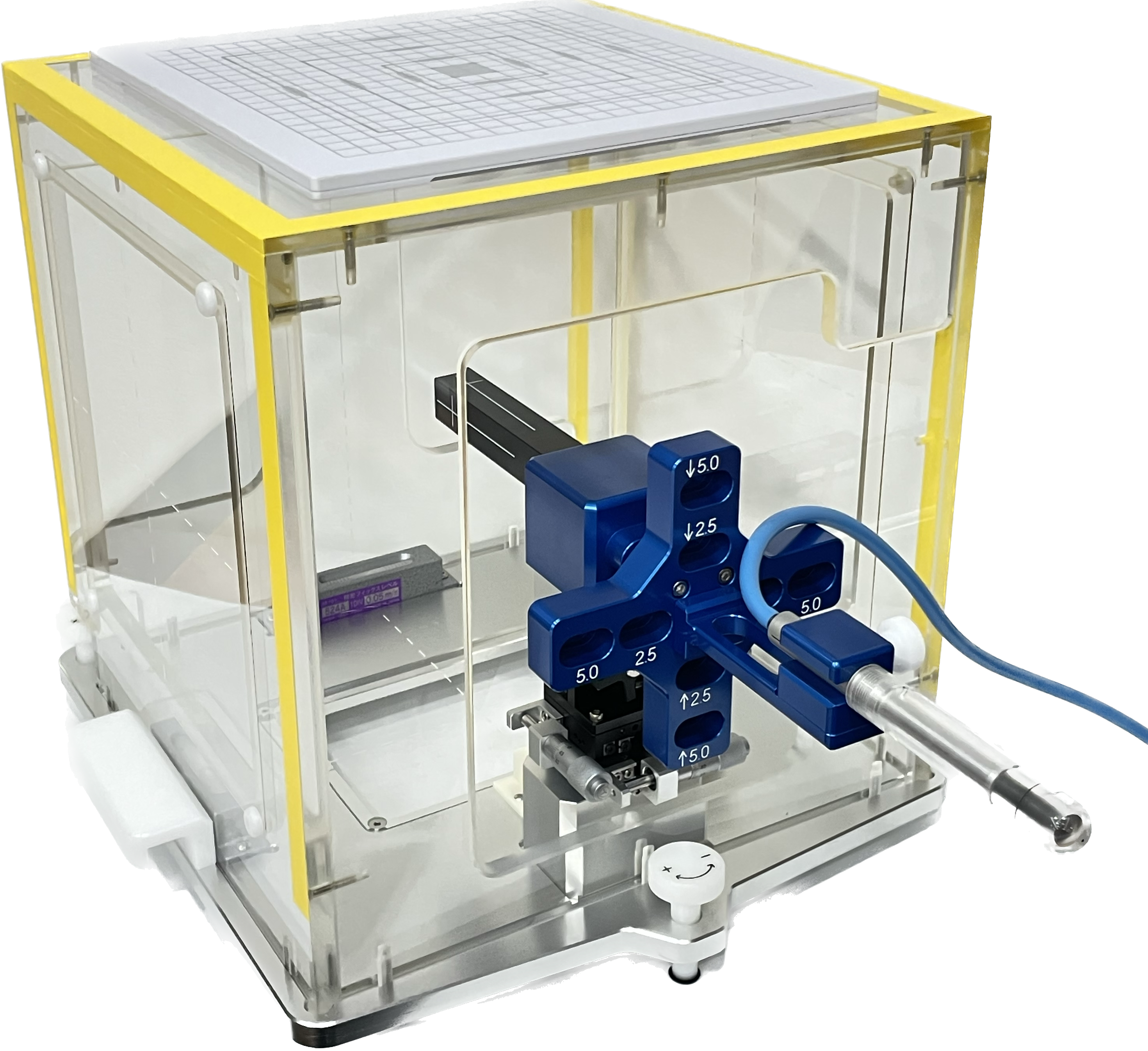
Proton Therapy
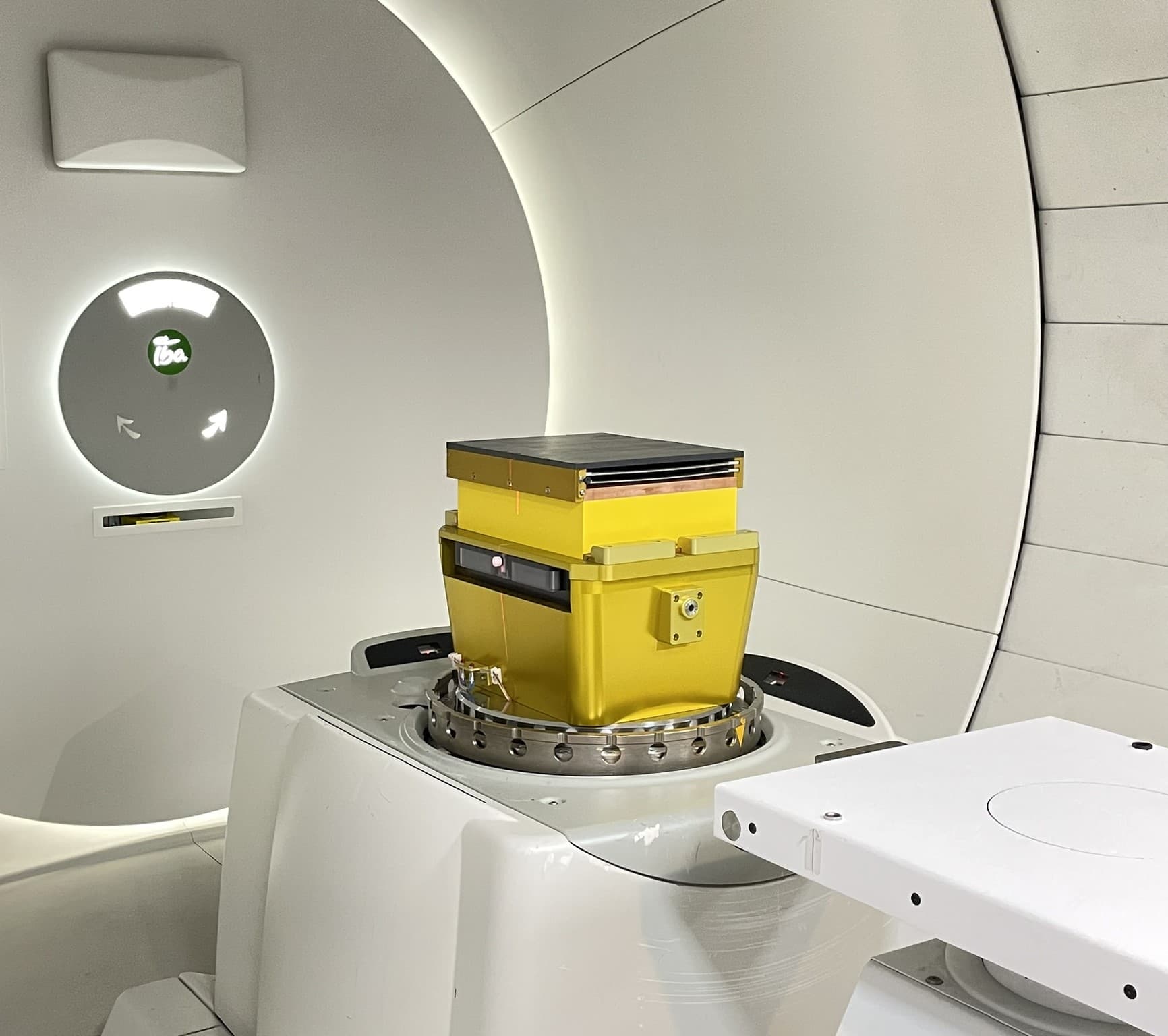
Pro-MI
Proton Minibeam Radiation Therapy (pMBRT) that reduces dose to normal tissues along the beam path while maintaining tumor control — spatially fractionated narrow beams deliver uniform dose at depth.
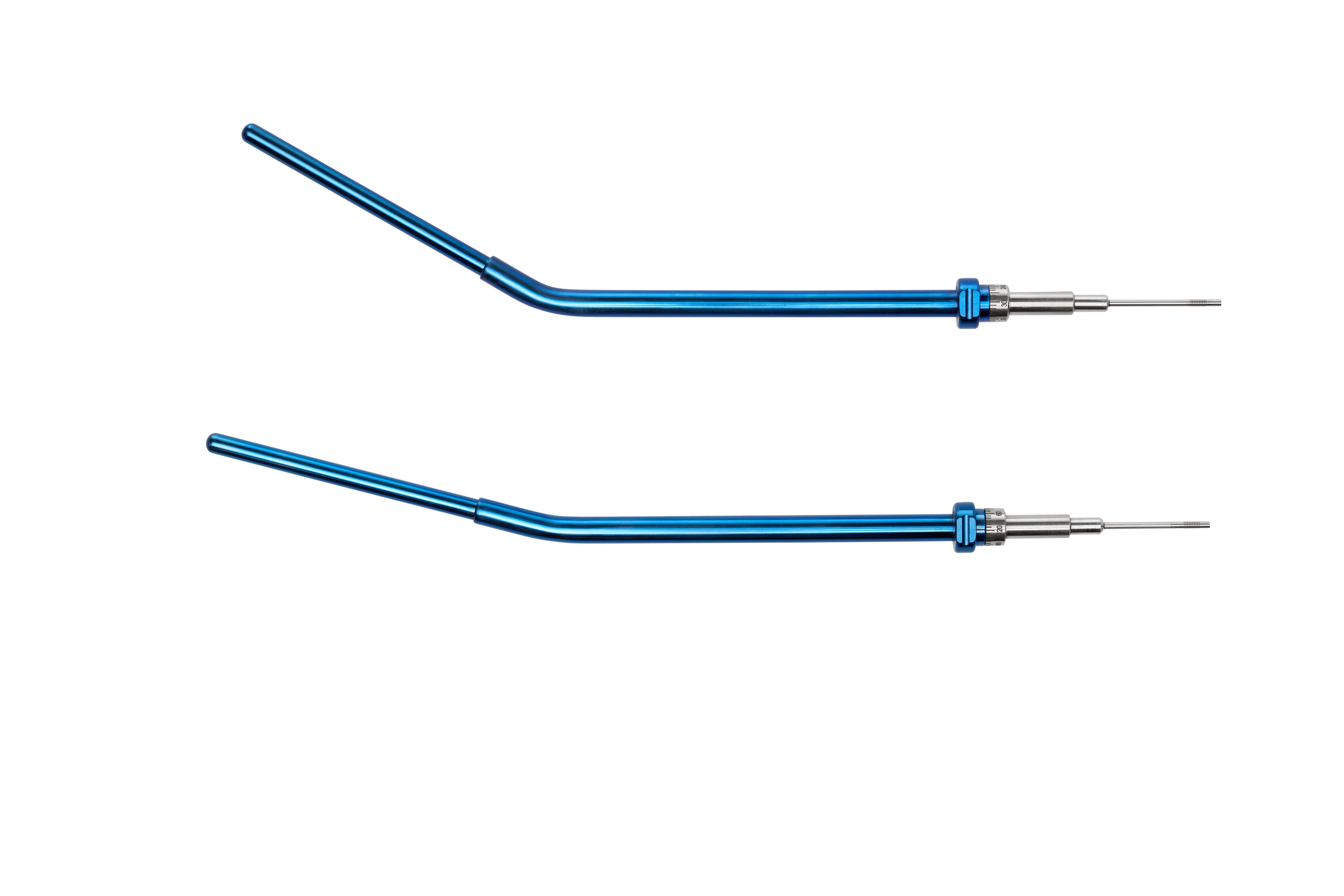
W-shield directional rotation — sub-1-degree angular resolution
Asymmetric dose distribution for highly conformal tumor dose delivery
Dedicated TPS with DVH-based dose optimization
Non-invasive design — minimal anesthesia requirement
Short treatment preparation time · minimal manpower
Patents registered in Korea, USA, Europe, China, and Japan
Intensity-Modulated Brachytherapy (IMBT) system that directionally controls dose via W-shield rotation — delivering highly conformal tumor dose while minimizing OAR exposure.
Brad-FIT (Brachy RADiation FIT) is an Intensity-Modulated Brachytherapy (IMBT) system that directionally controls dose distribution by rotating an asymmetric tungsten shield (W-shield). The shield rotates to any arbitrary angle with sub-1-degree resolution, creating an asymmetric dose distribution concentrated toward the tumor, while a dedicated Treatment Planning System (TPS) performs DVH-based dose optimization. Two applicator types are available: a tandem applicator for cervical and endometrial cancers, and a cylindrical applicator for breast and vaginal cancers.
Brad-FIT's non-invasive design minimizes anesthesia requirements compared to conventional brachytherapy applicators, with shorter treatment preparation time and minimal manpower. While competing applicators from Elekta, Varian, and E&Z Bebig require invasive insertion and skill-dependent accuracy, Brad-FIT delivers precise, reproducible treatment through directional control and an optimized TPS — independent of operator technique.
The directional radiation control technology is protected by patents in Korea (2017), Europe, China, and Japan (2020), and the USA (2021). Additional patents cover directional and shape-controllable radiation (Korea 2019, China/Japan 2021, USA 2022) and the brachytherapy planning device and method (Korea 2021, USA 2024).
Related portfolio
The detailed view should not dead-end. It should help users move across delivery, QA, and protection contexts without losing orientation.
Proton Therapy
Brachy QA
LINAC QA