Area 01
Treatment delivery
Brad-FIT delivers asymmetric dose toward the tumor in brachytherapy. Pro-MI uses spatially fractionated proton minibeams to reduce normal tissue exposure along the beam path.
Brad-FITPro-MI
RaphaRAD focuses on advanced brachytherapy and proton therapy technology, connecting target tracking, precise delivery, rapid verification, and patient protection into one treatment flow.
Technology areas
RaphaRAD's six products span treatment delivery, tumor localization, quality assurance, and patient protection.
Area 01
Brad-FIT delivers asymmetric dose toward the tumor in brachytherapy. Pro-MI uses spatially fractionated proton minibeams to reduce normal tissue exposure along the beam path.
Area 02
Gold-DOT is an implantable polymer-composite marker designed to precisely mark tumor location in the body, providing a stable reference point for particle therapy with minimal dose interference.
Area 03
BIM and LIM verify source position, dwell time, alignment, and isocenter accuracy — covering both brachytherapy and LINAC QA in daily clinical operations.
Area 04
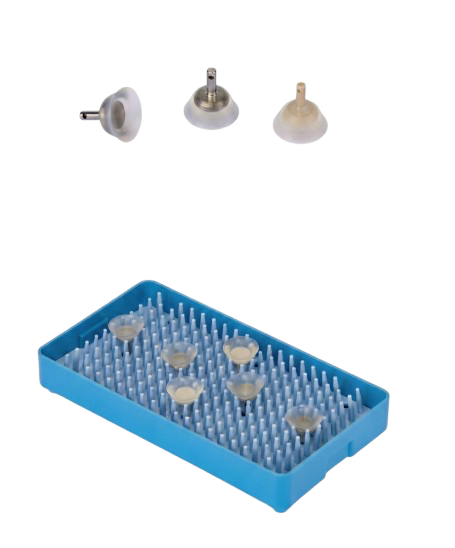
Lens-OK shields the lens during electron beam therapy. Lens dose reduced to 0.8–0.9% at 6 MeV and 0.0% at 9 MeV, with CT-compatible design for real-time eye monitoring.
Existing Limitations & Our Approach
Each product addresses a specific limitation in current radiation therapy practice.
Current limitation
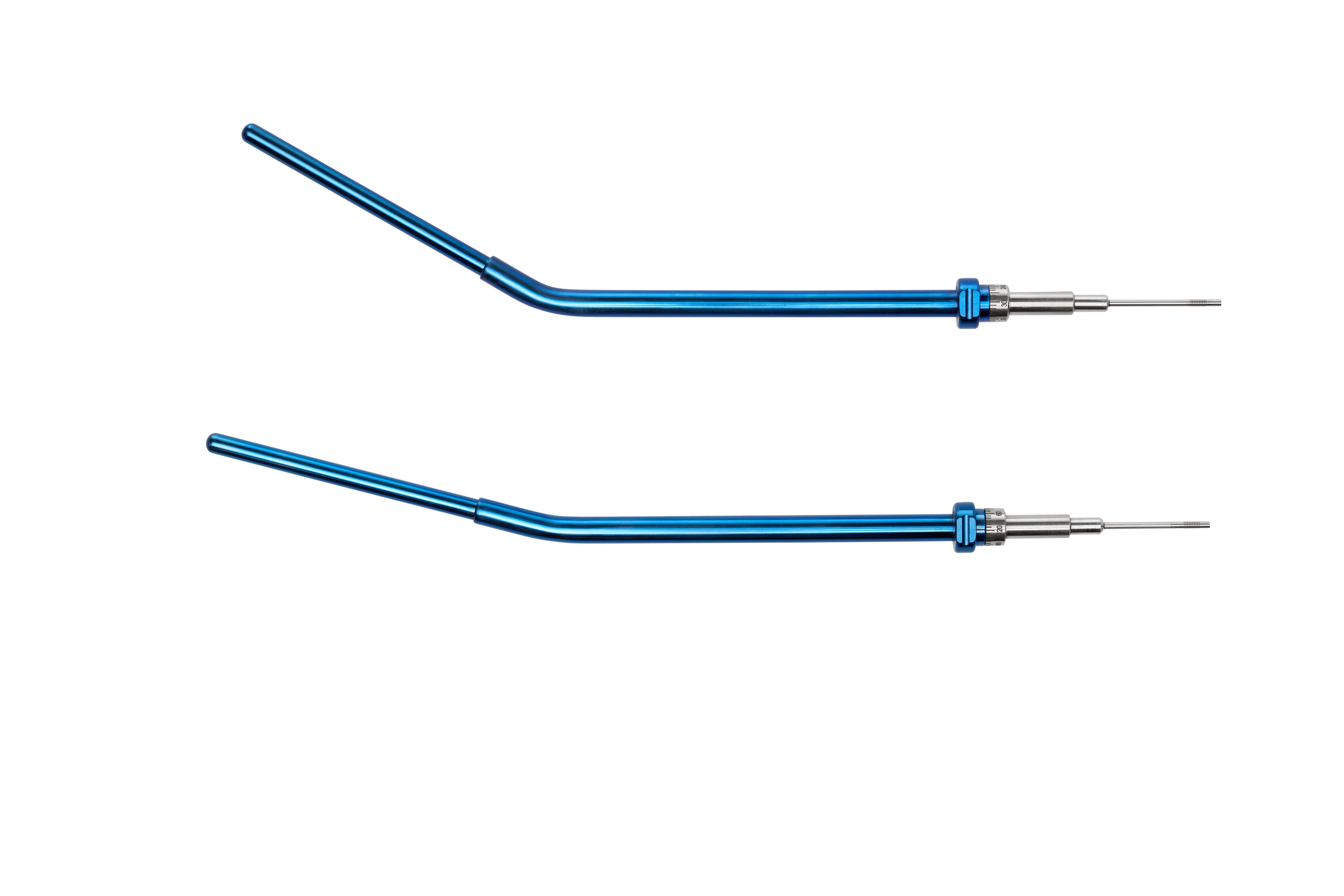
Radiation reaches not only the tumor but also surrounding normal organs. OAR exposure in brachytherapy and external-beam therapy is the primary source of treatment side effects.
RaphaRAD approach
Brad-FIT uses W-shield rotation to deliver asymmetric dose concentrated toward the tumor — with a non-invasive design requiring minimal anesthesia, in contrast to conventional applicators from Elekta, Varian, and E&Z Bebig. Pro-MI reduces normal tissue exposure along the beam path using spatially fractionated proton minibeams.
Clinical impact
More dose to the target, greater safety for surrounding tissue — pursuing reduced side effects and treatment efficacy simultaneously.

Current limitation
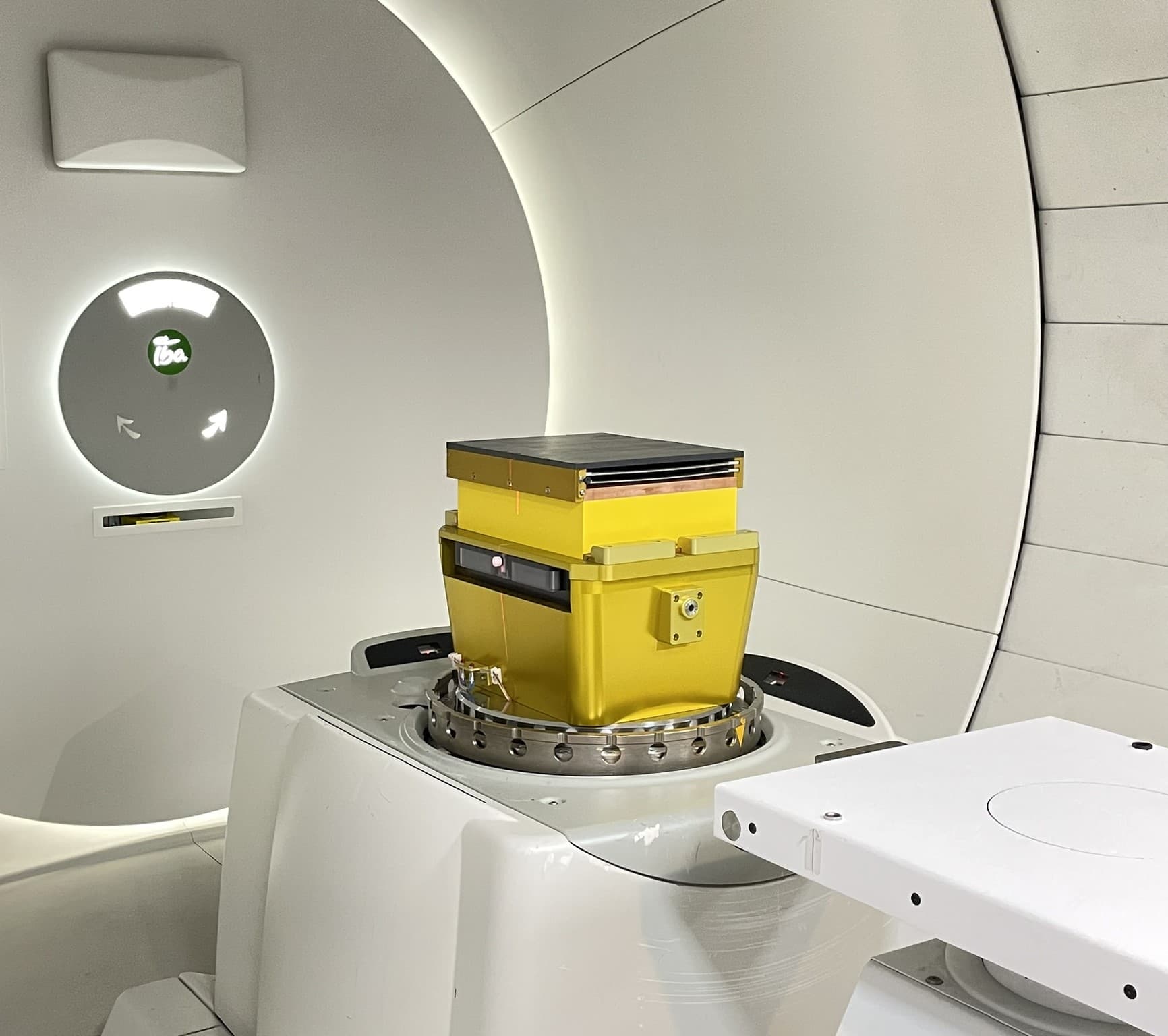
Conventional pure-gold markers attenuate treatment radiation by 23–44%, creating dose uncertainty and CT streak artifacts that compromise treatment planning accuracy.
RaphaRAD approach
Gold-DOT is a polymer composite with gold content ~1/20 of conventional. Prototype testing measured: proton dose reduction 8.5%, carbon-ion 7.2%, CT visibility 7,013 HU. Development targets: dose reduction ≤7%, CT visibility ≥7,200 HU.
Clinical impact
Improved treatment precision with maintained image quality. The prototype already approaches commercially competitive levels, with cost advantage from minimal gold content.
Current limitation
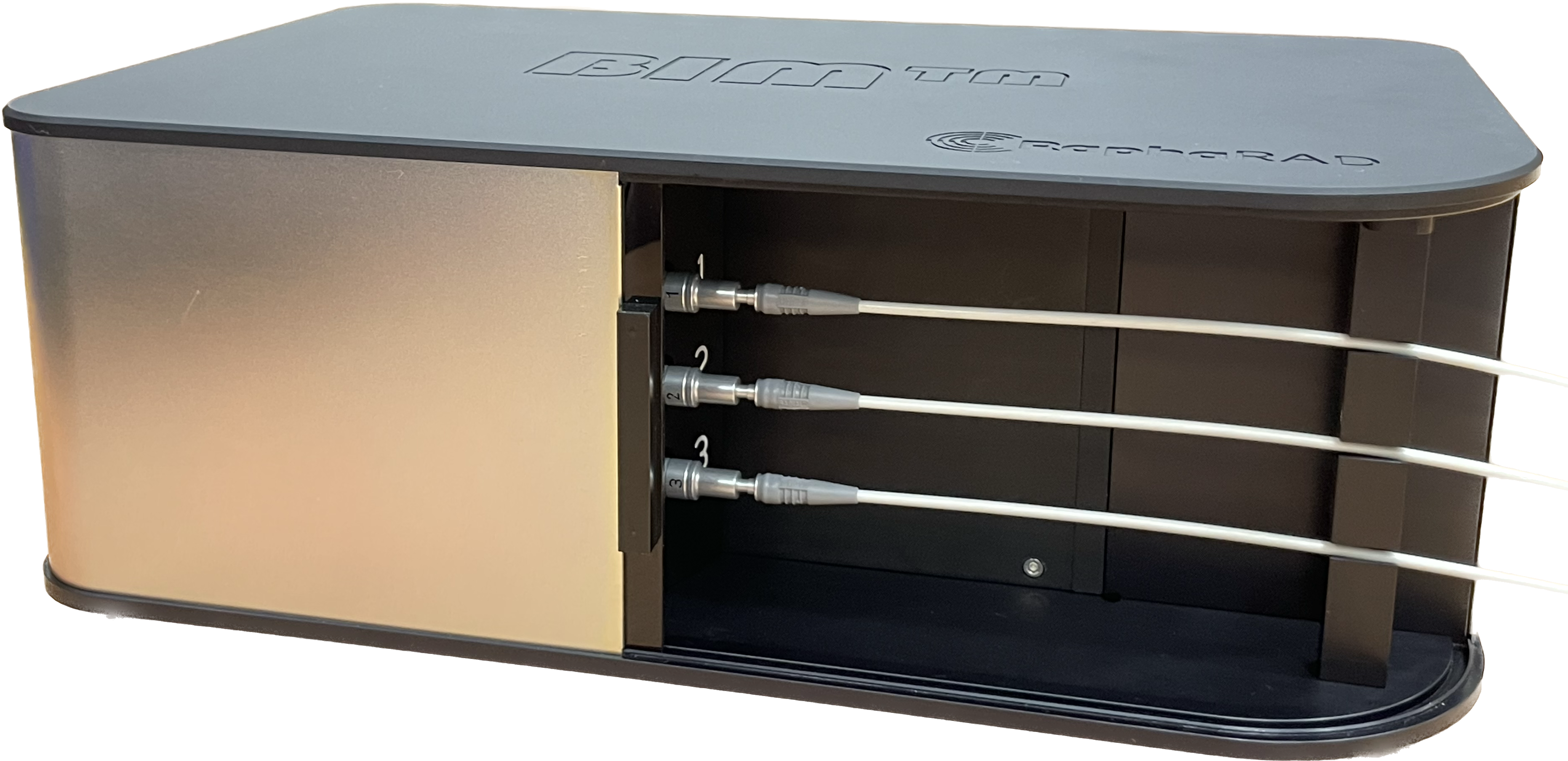
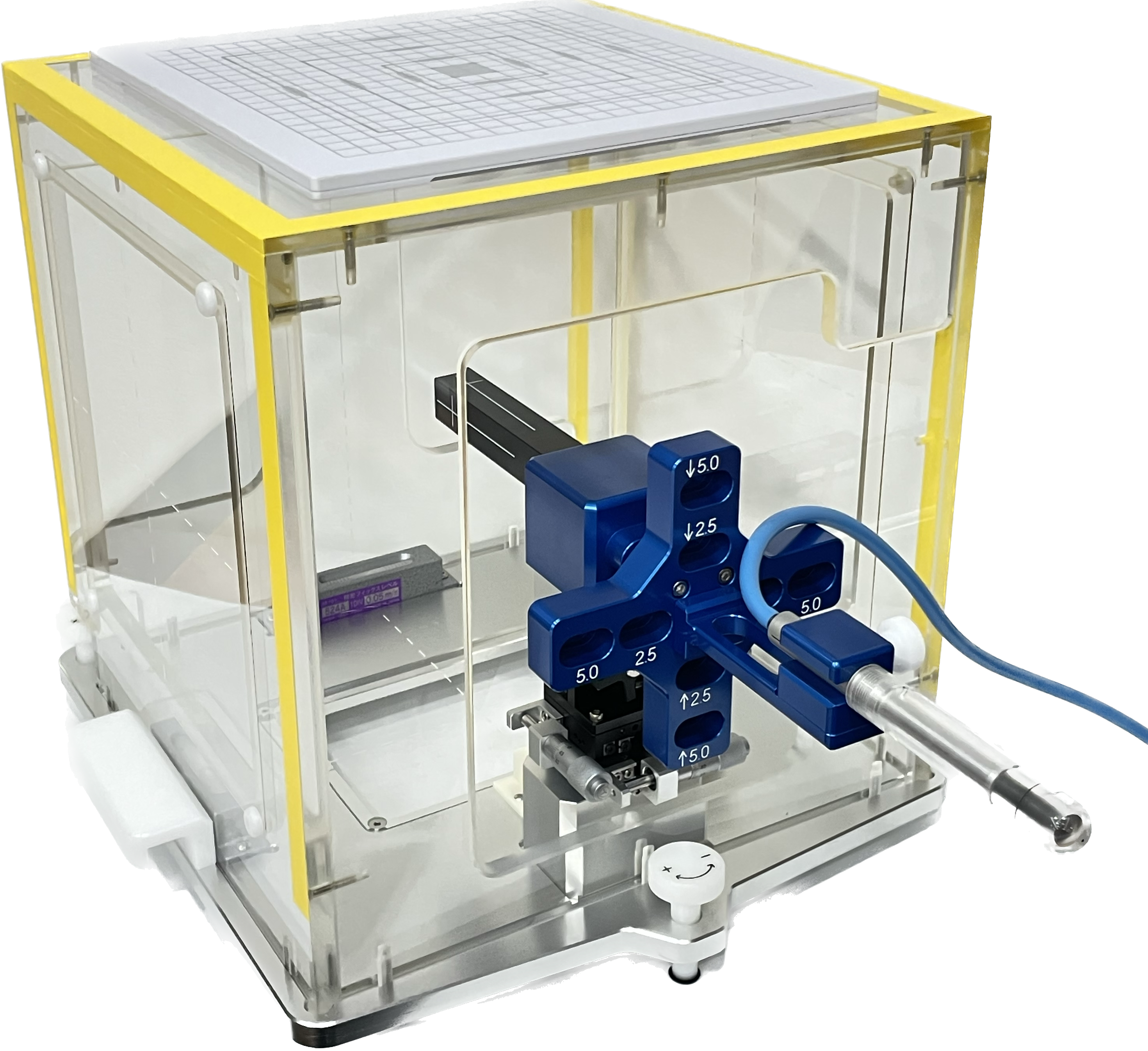
Pre-treatment quality assurance (QA) is mandatory, but conventional methods such as film processing are time-consuming and create significant operational burden.
RaphaRAD approach
BIM automatically completes brachytherapy QA in ~100 seconds without film. LIM covers five LINAC QA tasks in a single device — cutting QA time from ~60 minutes to under 20 minutes, with laser alignment reproducibility improved to σ=0.9 mm.
Clinical impact
Reducing pre-treatment verification time improves operational efficiency and allows the treatment team to focus on the patient.
Current limitation
Conventional eye shielding devices are difficult to combine with CT imaging, and most designs make it impossible to visually confirm the patient's eye condition during treatment.
RaphaRAD approach
Lens-OK reduces lens dose to 0.8–0.9% at 6 MeV and 0.0% at 9 MeV. Its CT-compatible design and transparent silicone cover enable real-time eye monitoring during treatment while maintaining treatment planning accuracy.
Clinical impact
Lens protection and treatment setup convenience achieved simultaneously.
Performance Evidence
Gold-DOT
7,013 HU
CT visibility — prototype measurement
Development target ≥7,200 HU
Preliminary prototype testing
BIM
~100s
Brachytherapy QA completion time
Film-free, fully automated
Product specification
BIM
<1mm
Source absolute position accuracy
Automated measurement — no film required
Product specification
LIM
<20min
Full LINAC QA workflow
Five tasks, single device — vs. ~60 min conventional
Product specification · JACMP 2016
Lens-OK
0.0%
Lens dose at 9 MeV electron beam
0.8–0.9% at 6 MeV | Tungsten shield direct measurement
Product specification
Gold-DOT
8.5%
Proton beam dose reduction — prototype
Carbon-ion: 7.2% | Target ≤7% | vs. up to 44.3% for pure-gold
Preliminary prototype testing
Core technology and patents are protected. Detailed technical specifications are disclosed after NDA.
Product Solutions